
There’s a reason so many of us have a complicated relationship with the word “diet.” It often brings up memories of restriction, rules, and the nagging feeling that we’re somehow not doing enough.
But what if there was another way—one that honors your whole-person wellness rather than just the number on a scale?
At Into the Woods Wellness, we believe there is no one right path to wellness. Your journey is uniquely yours–shaped by your body, your life, your needs, and your goals.
Let’s explore what it could look like to shift from a diet mentality to a sustainable wellness lifestyle—and the aspects you might consider as you create a sustainable approach that actually works for you.
Diet vs. Lifestyle – what’s the difference?
We talk a lot about “lifestyle” at Into The Woods, so let’s get extra clear on the difference. “Diet” could simply refer to the food you choose to consume to nourish your body. However, for many, the word has been heavily influenced by mainstream media—leading most to associate it with a set of external rules designed for a specific outcome (usually weight loss), with a start date and an implied end date.
A wellness lifestyle, on the other hand, is an ongoing, evolving relationship with your own wellbeing. It’s not about perfection—it’s about progress, self-compassion, and sustainable choices that support how you want to feel for the long term.
At Into The Woods, we take this a step further with our whole-person, integrated approach to wellness. Choosing a wellness lifestyle means looking at all the interplaying factors that impact your health—of course your physical body, but also your mental and emotional health, your environment, your relationships, your work (and stress levels), and much more. True whole-person wellness encompasses your mind, body, and soul.
At a foundational level, this shifts the focus from quick fixes and diet mentality to root cause solutions—addressing why your body feels the way it does rather than just managing symptoms.
Aspects To Consider As You Build Your Wellness Lifestyle
Nourishment, Not Restriction
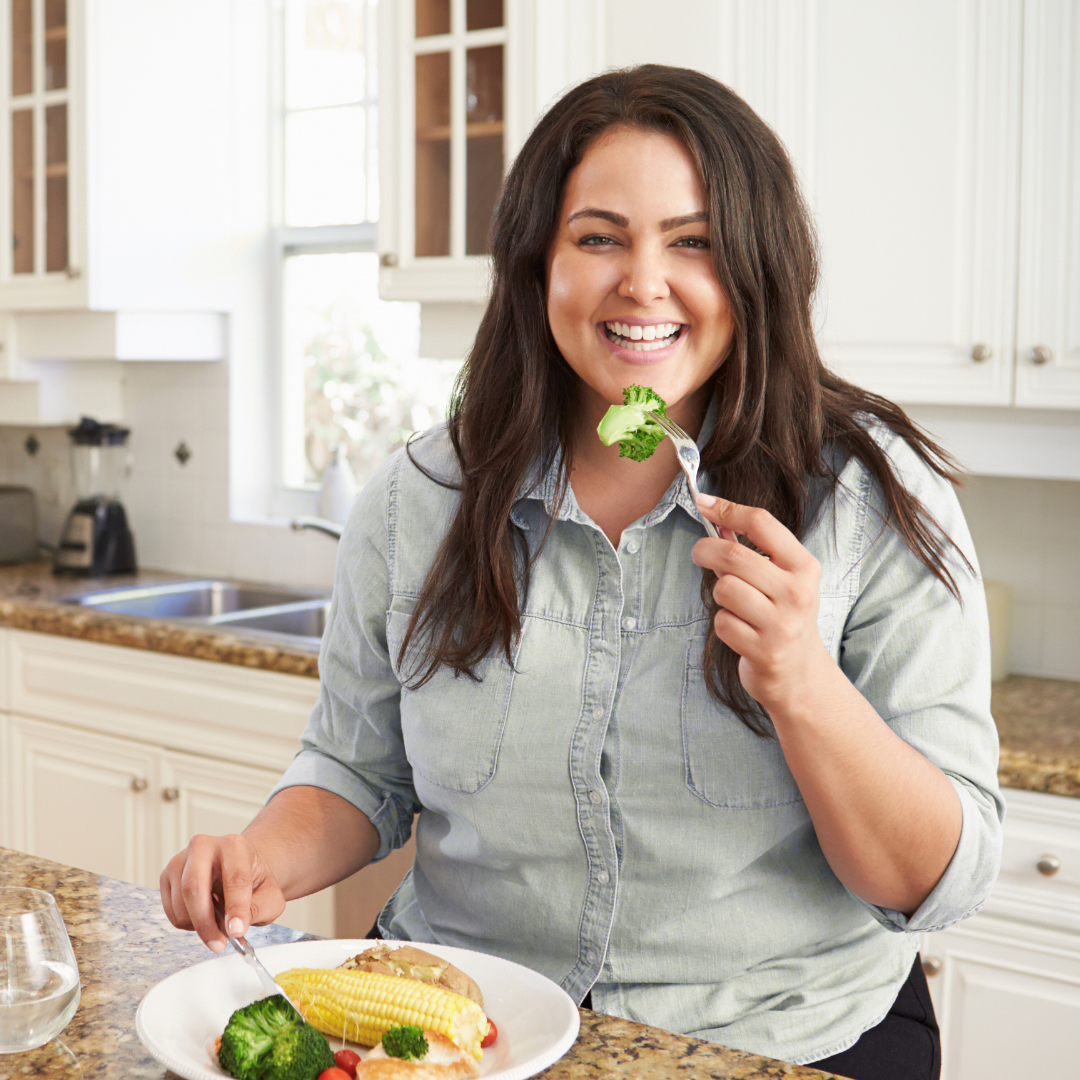
Instead of asking “What should I cut out?” try asking “What can I add in?” Focus on nutrient-dense, whole foods that give you energy, support your digestion, and make you feel good. As you add more nourishing options to your plate, you may naturally find yourself reaching for processed and packaged foods less often—not because they’re “forbidden,” but because your body starts to crave what actually makes it feel good.
This isn’t about labeling foods as “good” or “bad”—it’s about discovering what truly nourishes your body and helps you feel your best now and for years to come. Small shifts, like choosing whole grains over refined ones or swapping a sugary snack for something with protein and/or healthy fats, can create meaningful change over time without the pressure of a complete overhaul.
Questions to explore:
- What foods leave me feeling energized?
- Am I drinking enough water throughout the day?
- What does balanced eating look like for my life and schedule?
Gut Health: The Foundation of Whole-Body Wellness
Your gut does more than digest food—it’s deeply connected to your hormone balance, immune function, mood, and even your skin health. The gut-hormone connection is one of the most powerful relationships in your body. When gut bacteria are out of balance (a condition called dysbiosis), it can disrupt everything from your thyroid function to your estrogen levels.
Supporting your gut microbiome through fiber-rich foods, fermented foods, and reducing processed foods isn’t just a trend—it’s foundational to functional wellness. Gentle detox practices—like infrared sauna, lymphatic support, or ionic foot baths—can also help your body’s natural elimination pathways work more efficiently, giving your gut (and liver) a little extra support.
Questions to explore:
- How is my digestion?
- Am I drinking enough water to support healthy digestion?
- Do I experience bloating, fatigue, or skin concerns that might signal gut imbalances?
- Am I having regular, complete bowel movements?
Movement That Feels Good
Exercise doesn’t have to mean forcing yourself through workouts you dread. A wellness lifestyle invites you to find movement that brings you joy—whether that’s a yoga class, a walk in nature, dancing in your kitchen, or foundation training that supports your body’s unique needs. Research shows that consistent, enjoyable movement is one of the strongest predictors of longevity and healthy aging.
Questions to explore:
- What types of movement do I actually enjoy?
- How can I incorporate more gentle, restorative activity into my week?
Sleep and Recovery
Diet culture rarely talks about sleep, but it’s foundational to how we feel, how we manage stress, and how our bodies function. Quality rest regulates inflammation, mood, cognitive clarity, and immune function—all mechanisms that shape how we age. A wellness lifestyle recognizes that rest isn’t laziness—it’s essential for cellular repair and hormone regulation.
Questions to explore:
- Am I getting enough quality sleep?
- What evening routines might help me wind down?
Stress Management and Mental Health
Your emotional wellbeing is deeply connected to your physical health. Chronic stress affects everything from digestion to hormone balance—your cortisol levels directly impact inflammation, blood sugar, and even gut health. A true wellness approach makes space for mental health support, whether through therapy, mindfulness practices, community connection, or simply giving yourself permission to slow down.
Questions to explore:
- What are my biggest sources of stress?
- What practices help me feel grounded and calm?
Hormone Health: More Than You Might Think
Here’s the thing about hormones—they’re not operating in isolation. Your hormones are constantly responding to what’s going on inside and outside your body. Daily habits like sleep, nutrition, and stress management play a role—but so do factors that often fly under the radar: environmental toxins in household products and plastics, quality of water and air, chemicals in personal care items, and even the natural shifts that come with different life stages.
Our bodies are navigating a lot—much of it invisible or outside our immediate control. This isn’t meant to overwhelm you, but to offer some grace. If you’re doing “all the right things” and still not feeling your best, it’s not a personal failing. There may be underlying factors worth exploring.
The good news? You don’t have to tackle hormone health as a separate checklist item. Supporting your body’s foundations—gut health, liver and detox pathways, stress resilience, and nourishment—helps create the internal environment your hormones need to function well. And when you need deeper support, that’s where personalized guidance can help uncover what’s really going on.
Questions to explore:
- Am I experiencing persistent symptoms—like fatigue, mood swings, cycle changes, brain fog, or weight resistance—that haven’t resolved despite my best efforts?
- Could there be environmental, stress, or other factors at play?
- Is my body going through a natural transition—whether that’s postpartum changes, perimenopause, menopause, or simply a new decade—that might be affecting my hormones?
Community and Social Connection
We’re not meant to do this alone. Research consistently shows that social connection is one of the strongest predictors of longevity—it’s been linked to lower cortisol levels, better immune function, and improved mental health. Having support—whether from a health coach/mentor, a wellness community, or friends and family who encourage your goals—makes a meaningful difference.
Questions to explore:
- Who supports my wellness journey?
- Where can I find community that aligns with my values?
Your Relationship with Yourself
Perhaps the most important aspect of a wellness lifestyle is how you talk to yourself along the way. Are you approaching your health from a place of shame and punishment, or from self-compassion and care? The goal isn’t to be perfect. It’s to keep showing up for yourself, one small choice at a time. This mindset shift alone can add years to your life—and life to your years.
Questions to explore:
- How do I speak to myself when I “slip up”?
- Can I practice more kindness toward my body and my efforts?
There Is No One Right Path
Your wellness lifestyle won’t look like anyone else’s—and that’s exactly as it should be. Some seasons of life will call for more structure; others will require more grace. What matters is that you’re building something sustainable, something that honors your whole self: mind, body, and soul.
The research is clear: 90% of longevity is shaped by modifiable lifestyle factors. The habits that keep your body biologically young are the same habits that can support your health at any age. It’s never too late—or too early—to start.
If you’re ready to explore what a personalized approach to functional wellness could look like for you, we’re here to help. Whether you’re curious about getting to the root cause of your health concerns, looking for support through health coaching, or simply want to take your first step, you don’t have to figure it out alone.
Be Well. Be Still. Become.
Ready to start your journey? Contact Into the Woods Wellness at 920-904-8128 or explore more on our website to learn more about our holistic approach to whole-person wellness in Fond du Lac, Wisconsin.
Or get started by scheduling a free discovery call to learn more.
Into the Woods Wellnesss is located at 1424 Lynn Ave, Fond du Lac, WI.
At Into the Woods Wellness, we provide education and support but do not claim to treat specific diseases. Our focus is on empowering you with knowledge for informed wellness decisions.
Disclaimer: The information provided in this article is for educational purposes only and is not a substitute for professional medical advice, diagnosis, or treatment. At Into The Woods Wellness, we believe in a personalized approach to health—please consult with your healthcare provider or one of our practitioners to determine what’s right for your unique needs.